In the world of interior design, “luxury” is often misunderstood as a synonym for “expensive.” However, true luxury is a feeling—a harmonious blend of comfort, elegance, and intentionality. Whether you are living in a sprawling estate or a cozy urban apartment, achieving a sophisticated home aesthetic is about the curation of elements rather than the accumulation of things.
If you are ready to move beyond “basic” and into the realm of high-end interior design, this comprehensive guide covers the ten most effective strategies to elevate your living space into a sanctuary of opulence.
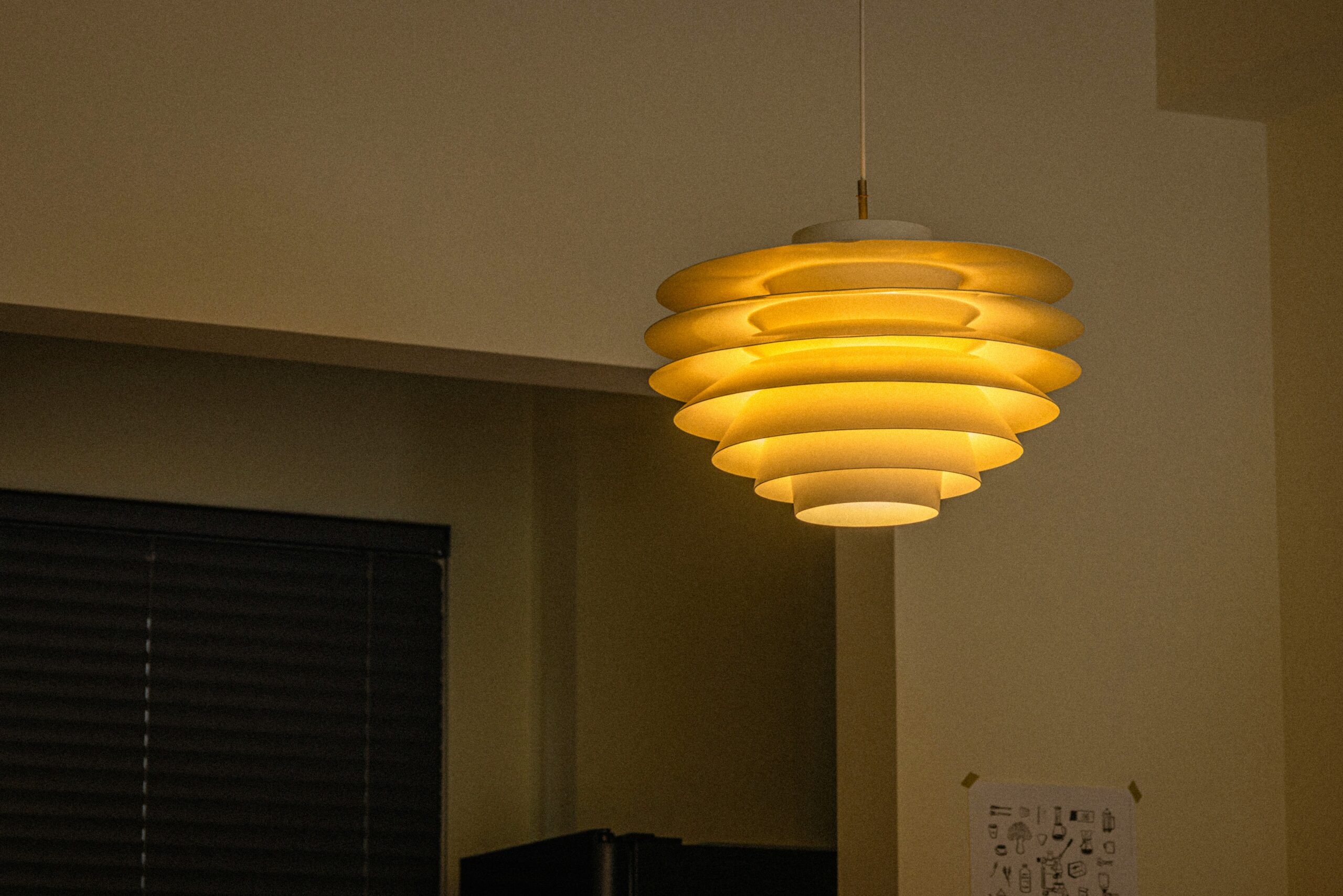
1. Sculptural and Layered Lighting Design
Standard overhead “boob lights” are the enemy of luxury. To create an expensive atmosphere, you must treat your lighting as functional art.
- The Statement Piece: Every room needs a focal point. In the dining or living room, install a large-scale chandelier or a mid-century modern mobile pendant.
- Layering (The 3-Layer Rule): Combine Ambient (general overhead), Task (reading lamps), and Accent (picture lights or LED strips) lighting.
- The Golden Glow: Always use “warm” bulbs (around 2700K to 3000K). Install dimmer switches throughout the house to shift the mood from functional daytime brightness to intimate evening elegance.
2. The “Gallery Effect”: Oversized Art and Curation
Nothing diminishes the value of a room faster than “clutter-core” wall art. Small, mismatched frames can make walls look busy and unorganized.
Instead, embrace large-scale art. A single, massive canvas—whether abstract, a landscape, or a high-quality photograph—commands attention and makes the room feel taller and more significant. If you prefer a gallery wall, ensure the frames are identical and the spacing is mathematically precise to maintain a sense of order.
3. Sensory Luxury: The Power of High-End Textiles
Luxury is tactile. When you touch a surface in your home, it should feel substantial and high-quality.
- Velvet & Silk: Incorporate heavy velvet curtains or silk throw pillows. These materials catch the light beautifully and add a “weighted” feel to the room.
- Performance Fabrics: You don’t have to sacrifice luxury for kids or pets. Look for high-end performance linens that mimic the look of expensive natural fibers while offering durability.
- The Drape Factor: Ensure your curtains are double-width. Skimpy curtains look cheap; full, pleated drapes look like a custom installation.
4. Architectural Interest: Crown Molding and Millwork
If your home feels like a “white box,” it’s likely lacking architectural character. Custom millwork is one of the highest-value upgrades you can make.
- Crown Molding: Adds a finished look to the junction of walls and ceilings.
- Wainscoting and Picture Frame Molding: This adds depth to flat walls, creating shadows and highlights that feel historical and grand.
- Coffered Ceilings: If your budget allows, adding beams or coffers to a ceiling can completely transform the geometry of a room.
5. Elevated Hardware and “Touchpoints”
Think of hardware as the “jewelry” of your home. Standard builder-grade chrome handles are functional but lack soul.
Replace kitchen cabinet pulls, bathroom faucets, and even door hinges with solid brass, hand-forged iron, or matte black steel. Weight matters here; when a guest opens a door or a drawer, the physical weight of the handle communicates a sense of quality and permanence.
6. Curated Color Palettes: The “Quiet Luxury” Trend
While bold colors are trendy, timeless luxury usually relies on a sophisticated, muted palette. This is often referred to as “Quiet Luxury” or “Old Money Aesthetic.”
| Color Group | Effect | Recommendation |
| Warm Neutrals | Cozy & Expansive | Mushroom, Taupe, Oatmeal |
| Cool Tones | Calm & Modern | Slate Gray, Soft Sage, Dusty Blue |
| Deep Accents | Drama & Depth | Navy, Charcoal, Forest Green |
Pro Tip: Use a monochromatic scheme where you play with different textures of the same color. For example, a cream wool rug paired with a cream linen sofa and a cream bouclé chair.
7. The Rule of Scale: Bigger is Often Better
One of the most common mistakes in home decor is choosing furniture that is too small for the space. Small furniture makes a room feel cramped and “dollhouse-like.”
Choose a sofa that fills the length of the wall. Choose a dining table that anchors the room. Most importantly, ensure your area rug is large enough that all furniture legs sit comfortably on top of it. A rug that is too small makes the room look disjointed; a large rug makes it look like an integrated suite.
8. Biophilic Design: Organic Luxury
Plastic plants are a major “don’t” in high-end design. They collect dust and look artificial under close inspection.
True luxury incorporates living elements. A tall, healthy Olive Tree in a terracotta pot or a Fiddle Leaf Fig in a stone planter adds an organic, “lived-in” elegance. If you struggle to keep plants alive, high-quality “real-touch” faux florals are acceptable, but nothing beats the air-purifying benefits and vibrancy of the real thing.
9. Creating a “Signature Scent” and Sound
Luxury isn’t just visual—it’s an all-senses experience.
- Olfactory: Invest in high-end reed diffusers or luxury candles (think notes of sandalwood, leather, or bergamot).
- Auditory: Hide your tech. Integrate a high-quality sound system that plays low-fidelity jazz or classical music at a barely-audible level.
10. The Power of “Negative Space”
In a luxury home, every object has room to breathe. Avoid the temptation to fill every corner. Negative space (empty space) is a luxury in itself—it signals that you have enough room to not need every square inch for storage.
Keep your surfaces “editorially clean.” On a coffee table, you only need three things: a stack of high-quality books, a decorative bowl or object, and a source of light (candle or small lamp).
Conclusion: Quality Over Quantity
The path to a luxurious home isn’t paved with “fast furniture” or trendy knick-knacks. It is built through the careful selection of materials that age gracefully—stone, wood, linen, and metal. By focusing on scale, lighting, and texture, you can create a home that doesn’t just look expensive but feels deeply personal and refined.
Which of these luxury elements are you most excited to bring into your home?
Leave a Reply
You must be logged in to post a comment.